
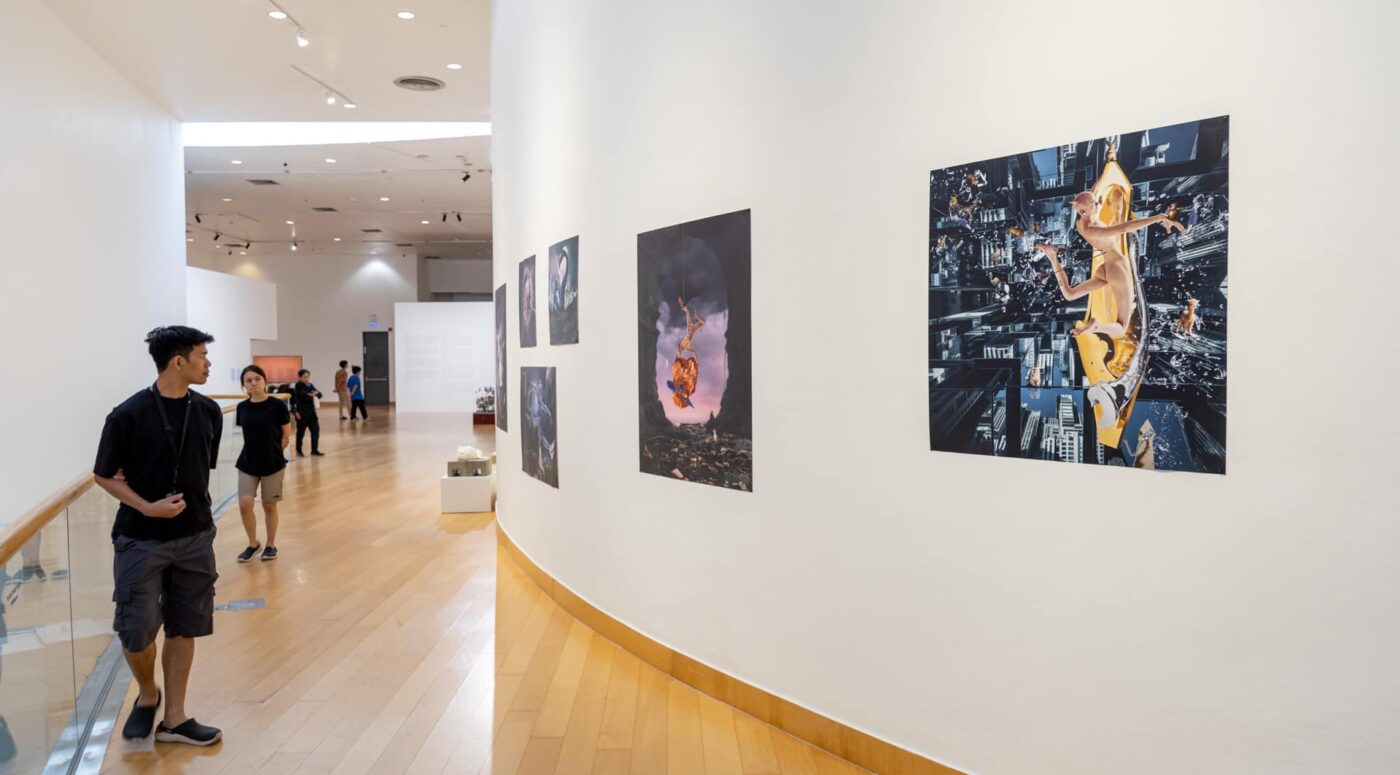
As Bangkok grows, the need for spaces that foster community and wellbeing has become more pressing. Congested streets and crowded malls once left residents with few options for leisure beyond shopping or dining. Today, however, developers and urban planners are reimagining what it means to live, work and play in the city. Mixed‑use districts now feature generous open areas, sports facilities and cultural hubs designed to bring people together. At the heart of these developments is an activity center in Bangkok where residents and visitors can participate in exercise classes, art workshops or simply relax with friends.
These centers are intentionally versatile. During weekday mornings they host yoga sessions and dance classes for professionals starting their day. Afternoons might see school children using the space for after‑school sports, while evenings bring cooking demonstrations or language exchanges for adults. This programming diversity ensures that the space serves multiple demographics, strengthening social ties and encouraging lifelong learning. Open lawns, shaded seating and play areas create informal gathering spots where neighbors naturally interact, helping to alleviate the anonymity often associated with city living.
Accessibility is a key principle in this new approach. By locating activity hubs within walking distance of homes, offices and public transport, planners remove barriers to participation. Safe walkways, bike paths and accessible entry points make it easy for people of all ages and abilities to join in. The presence of cafés and markets nearby encourages visitors to linger, turning a quick workout into a leisurely afternoon with friends. Parents appreciate the convenience of combining errands with leisure, while elders enjoy having social spaces that are easy to reach.
Another defining feature is the integration of nature. Lush gardens, water features and tree‑lined paths provide respite from the urban heat and help improve air quality. These green elements also create a calming backdrop for activities, promoting mental wellbeing alongside physical fitness. Community gardening plots allow residents to grow herbs and vegetables, reconnecting them with the land and fostering a sense of stewardship. Seasonal festivals and cultural celebrations hosted in these spaces further enhance the feeling of belonging and shared identity.
Partnerships with schools, non‑profit organizations and local artists also enrich these centers. Weekend workshops, pop‑up markets and environmental education sessions invite a wide audience to participate. Farmers markets selling organic produce connect urban residents with growers from nearby provinces, while craft fairs offer a platform for makers and highlight Thai heritage. By hosting diverse events, activity hubs support local economies, promote sustainable living and strengthen community ties.
Bangkok’s focus on community and recreation is a response to the realization that quality of life depends on more than economic growth. By investing in inclusive, multi‑use spaces that prioritize connection and wellness, the city is building a more resilient and compassionate urban environment. This new model serves as an inspiring example for other metropolises seeking to balance development with human needs, showing that city living can be both dynamic and nurturing.