
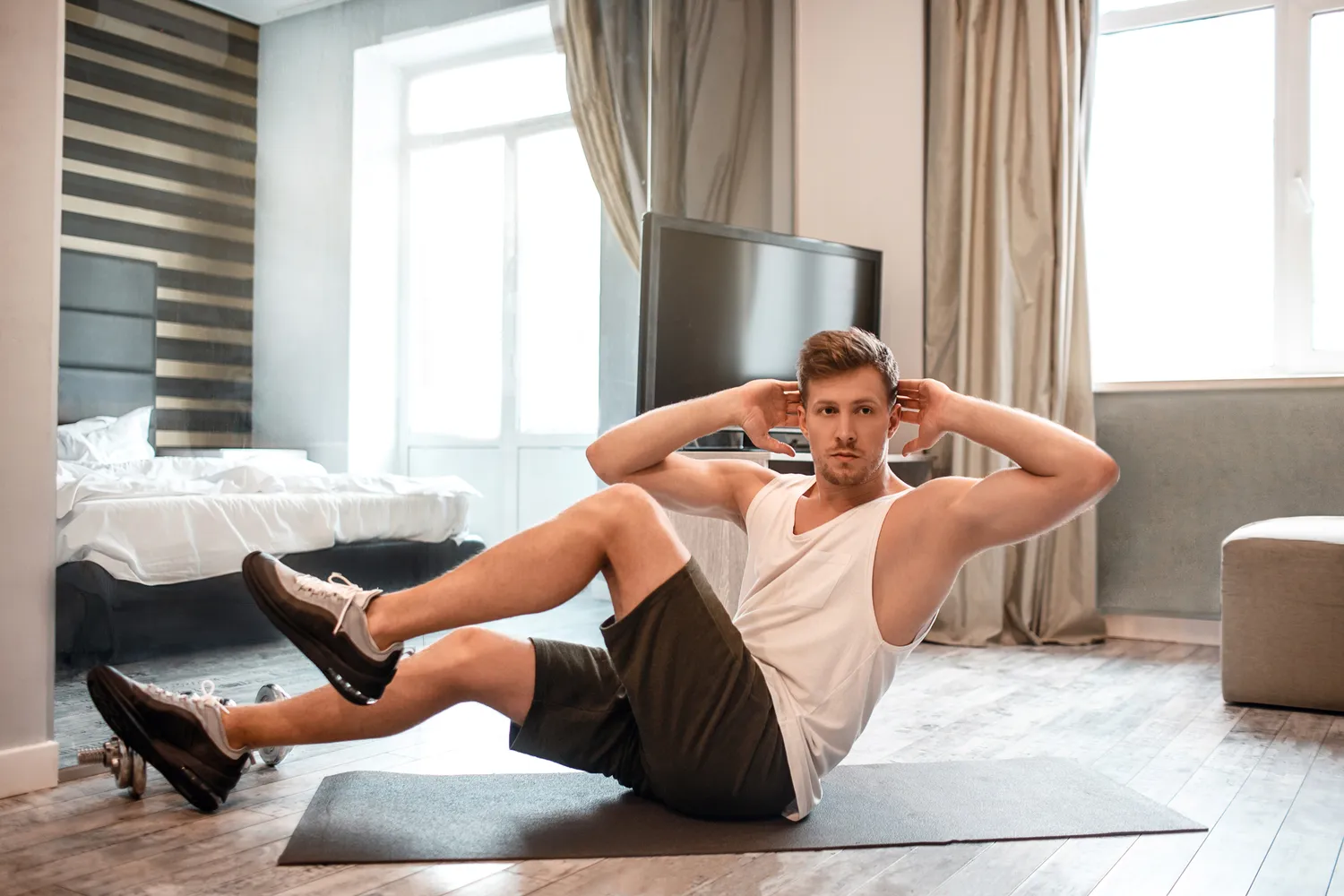
Business travel is a regular part of life for many professionals in Singapore. Regional flights, long-haul meetings, tight schedules, and back-to-back commitments often leave travellers feeling stiff, fatigued, and mentally foggy. Jet lag does not just affect sleep. It disrupts energy levels, digestion, training consistency, and overall wellbeing. For people who value fitness, this disruption can quickly undo weeks of progress if not managed properly.
A structured approach at a fitness gym singapore helps business travellers reset their bodies faster after flights. With the right training plan, workouts become a tool to reduce jet lag rather than another source of stress on an already tired system.
Why jet lag affects the body so strongly
Jet lag occurs when the body’s internal clock falls out of sync with local time. Crossing time zones confuses sleep-wake cycles, hormone release, and digestion patterns. For frequent travellers, these disruptions can accumulate and affect long-term health.
Physical effects of long flights
Extended sitting during flights creates several physical challenges:
-
Tight hip flexors and hamstrings from prolonged sitting
-
Reduced circulation in the lower body
-
Stiffness in the lower back and neck
-
General fatigue due to limited movement
These issues make it harder to move well upon arrival, increasing the risk of poor training sessions or minor strains.
Mental and energy disruptions
Jet lag also impacts concentration and motivation. Common symptoms include:
-
Daytime sleepiness during meetings
-
Difficulty falling asleep at night
-
Reduced appetite or irregular hunger cues
-
Lower training drive despite good intentions
Understanding these effects helps shape a smarter workout strategy.
Why training helps reduce jet lag symptoms
Exercise is one of the most effective tools for resetting the body clock. When used correctly, it improves circulation, regulates hormones, and signals the body to adapt to the new time zone.
Movement as a circadian reset tool
Light to moderate exercise helps:
-
Increase exposure to local daytime activity
-
Improve sleep quality the following night
-
Reduce muscle stiffness from travel
-
Boost alertness without relying on caffeine
The key is choosing the right type of training at the right time.
Avoiding the mistake of overtraining on arrival
Many travellers attempt intense workouts immediately after landing to “sweat it out.” This often backfires. Excessive intensity increases stress hormones and worsens fatigue. Smart training focuses on recovery first, intensity later.
The first 24 hours after arrival
The initial day sets the tone for recovery. A well-planned approach helps the body adapt quickly.
When to train on arrival day
If possible, schedule a short session within daylight hours at your destination. This reinforces the local sleep-wake cycle. Even 30 to 40 minutes is enough to deliver benefits.
What to focus on during the first session
The priority is circulation and mobility, not performance. Effective focus areas include:
-
Gentle full-body movement
-
Hip and spine mobility drills
-
Light resistance exercises
-
Controlled breathing patterns
This reduces stiffness without draining energy reserves.
Mobility-first training for travel recovery
Mobility work is essential for undoing the physical effects of flying.
Key mobility areas for travellers
Frequent flyers often need to prioritise:
-
Hip flexors and glutes
-
Thoracic spine rotation
-
Hamstrings and calves
-
Neck and shoulder mobility
Restoring range of motion improves posture and reduces discomfort during meetings.
Simple mobility session structure
A productive mobility session may include:
-
Dynamic warm-up movements
-
Slow controlled stretches
-
Light activation exercises
-
Short cooldown with breathing focus
These sessions improve comfort immediately and support better sleep later.
Strength training adjustments during travel weeks
Strength training remains valuable while travelling, but it must be adjusted to match recovery capacity.
Lower volume, higher quality sessions
Instead of chasing personal bests, focus on:
-
Fewer sets with perfect technique
-
Moderate loads that feel controlled
-
Longer rest periods
-
Balanced full-body movements
This maintains strength without overwhelming the nervous system.
Exercise choices that suit jet-lagged bodies
Traveller-friendly strength exercises include:
-
Goblet squats or leg presses
-
Dumbbell presses instead of heavy barbell lifts
-
Rows and pull-downs for posture support
-
Core stability work to reduce lower back fatigue
These movements support functionality without excessive strain.
Cardio strategies that reduce fatigue
Cardio can either help or hurt recovery depending on how it is used.
Best cardio options after travel
Low to moderate intensity cardio supports recovery by improving circulation. Effective options include:
-
Incline treadmill walking
-
Light cycling
-
Rowing at steady pace
-
Short interval circuits with ample rest
These methods improve alertness without spiking stress levels.
Cardio timing and sleep quality
Avoid intense cardio late at night in the new time zone. Morning or early afternoon sessions help regulate energy and improve sleep alignment.
Nutrition and hydration for faster adjustment
What you eat and drink after arrival strongly influences how quickly jet lag resolves.
Hydration strategies for travellers
Flying dehydrates the body. Prioritise:
-
Regular water intake throughout the day
-
Electrolytes if training or sweating heavily
-
Limiting alcohol during the first two days
-
Reducing excessive caffeine use
Proper hydration improves circulation and reduces headaches.
Eating to support circadian rhythm
Align meals with local time as soon as possible. Balanced meals with protein and complex carbohydrates help stabilise energy and support recovery.
Managing meetings, workouts, and recovery
Business trips often involve packed schedules. Planning workouts strategically prevents burnout.
Short sessions that still deliver benefits
When time is limited, effective sessions can be as short as 30 minutes if focused on:
-
Full-body movements
-
Controlled tempo
-
Minimal rest transitions
-
Quality execution
Consistency matters more than session length.
Rest days are not wasted days
On particularly demanding days, light movement or mobility work may be more beneficial than full workouts. Walking, stretching, and breathing exercises still support recovery.
Returning home and re-adjusting
Jet lag does not end when you land back in Singapore. The return transition requires attention too.
First workouts after returning home
Ease back into normal training by:
-
Reducing volume for the first few sessions
-
Prioritising sleep consistency
-
Avoiding maximum effort lifts immediately
-
Listening closely to fatigue signals
This prevents setbacks and injuries.
Re-establishing routine quickly
Returning to a familiar training environment accelerates recovery. Many professionals rely on TFX Singapore for structured sessions that help restore routine, movement quality, and consistency after travel-heavy weeks.
Long-term strategies for frequent business travellers
For those who travel often, preparation is key.
Pre-trip training adjustments
In the week before travel:
-
Avoid excessive training volume
-
Focus on recovery and mobility
-
Maintain consistent sleep routines
-
Stay well hydrated
This creates a buffer against travel stress.
Building travel-resilient fitness
Training that emphasises movement quality, strength balance, and recovery tolerance makes the body more adaptable to disruptions. Over time, travellers notice quicker adjustment and fewer setbacks.
Real-life FAQs from business travellers
Should I train immediately after a long flight?
Light movement or mobility is beneficial. Intense workouts are better postponed until energy stabilises.
What if my sleep is completely off during travel?
Adjust training intensity downward and prioritise consistency over performance until sleep normalises.
Can gym workouts really reduce jet lag?
Yes. Properly timed and structured exercise helps reset circadian rhythms and improve energy.
Is it better to train in the morning or evening when travelling?
Morning or early afternoon sessions generally support faster adaptation to local time.
How do I avoid losing strength during frequent trips?
Maintain regular but adjusted strength sessions. Consistency with moderate loads preserves strength well.
What if my schedule only allows late-night workouts?
Keep sessions shorter and lower in intensity, focusing on mobility and light strength work to avoid sleep disruption.
How many days does it take to fully recover from jet lag?
This varies, but most people adapt within three to five days with proper sleep, hydration, and smart training.
With the right workout strategy, business travel does not have to derail fitness or wellbeing. By using exercise as a recovery tool rather than a stressor, professionals can manage jet lag effectively, maintain performance, and return home ready to resume normal training without setbacks.