
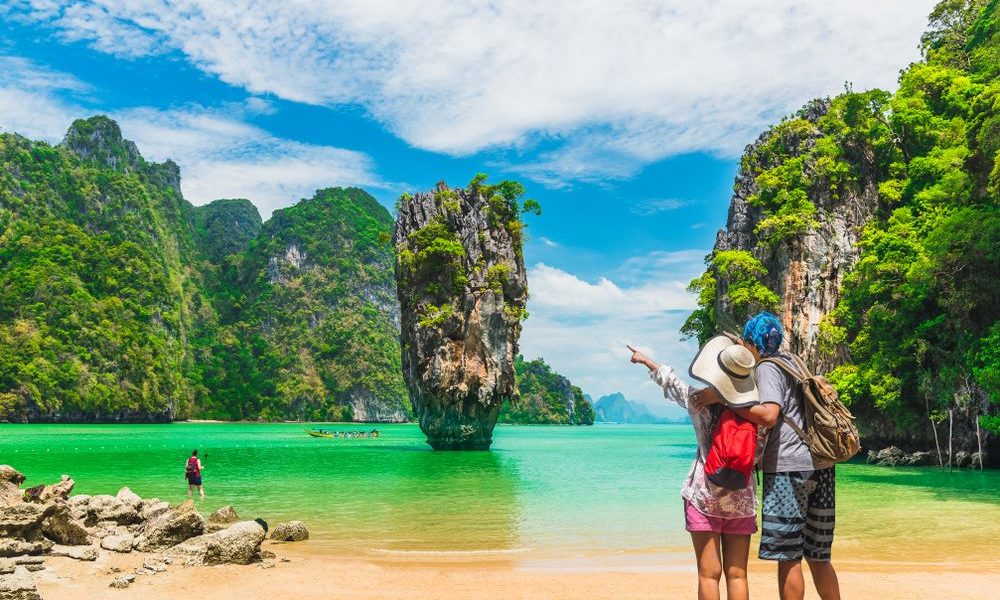
Some of the famous tourist attractions in Thailand such as Bangkok temples, Phuket beaches and mountain viewpoints feature on nearly every traveler’s list. The country offers a mix of historical sites, natural beauty and lively markets that appeal to visitors of all ages. Planning a trip can seem daunting, but many first‑time visitors follow a similar path to experience the highlights without feeling rushed.
Bangkok often serves as the starting point. The capital is home to some of the country’s most impressive temples, including Wat Phra Kaew, Wat Pho and Wat Arun. These temples showcase intricate carvings, gilded statues and colorful murals that convey the kingdom’s history and religious traditions. Nearby, the Grand Palace and National Museum offer insights into royal life and art. Bangkok is also famous for its markets; Chatuchak Weekend Market, Sampeng Market in Chinatown and Yaowarat are lively places to shop for textiles, spices and souvenirs.
After exploring the city, many travelers head south to the beaches of Phuket, Krabi or the Gulf islands. Phuket’s coastline ranges from quiet northern stretches like Mai Khao to bustling areas such as Patong. Activities include snorkeling, diving, sailing and simply relaxing on powdery sand while enjoying sunset views. On the other coast, islands like Koh Samui and Koh Tao offer laid-back beach life and coral reefs teeming with marine life.
Northern Thailand provides a different perspective. Chiang Mai, surrounded by mountains and forests, draws visitors with its old city walls, numerous temples and lively night markets. Nearby, Doi Suthep mountain offers sweeping views of the city and houses the famous Wat Phra That Doi Suthep temple as well as hill tribe villages. Many travelers also take day trips to Doi Inthanon National Park, home to Thailand’s highest peak, or to elephant sanctuaries where ethical tourism practices allow you to observe and learn about these gentle giants.
In the west, Kanchanaburi introduces visitors to the Bridge on the River Kwai and the poignant history of the Thai‑Burma Railway. The region’s waterfalls and river scenery provide a balance of natural beauty and reflection. Sukhothai and Ayutthaya, both former capitals, are UNESCO World Heritage sites featuring ruins of temples and palaces. Walking or cycling through these historical parks feels like stepping back in time.
A well-rounded itinerary also includes tasting local food, which varies by region. In Bangkok, sample spicy salads, coconut curries and street‑food staples like pad Thai and mango sticky rice. In the north, flavors are milder and dishes often feature herbs and fermented ingredients. In the south, cuisine tends to be spicy with coconut milk and seafood.
When planning your first trip to Thailand, allow enough time to experience each region. Spend at least three days in Bangkok to acclimate and explore, a few days on the islands to unwind and a few more in the north to discover culture and nature. This balance ensures you see both urban and rural sides of the country. With thoughtful planning and a sense of curiosity, your first visit to Thailand will leave you eager to return and discover more.