
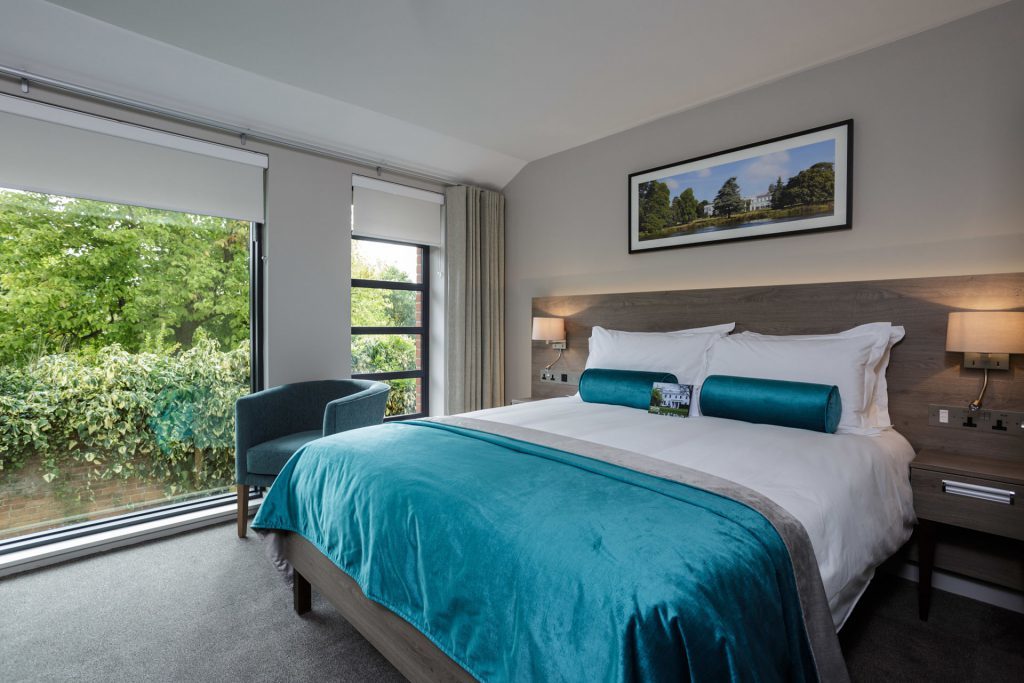
Introduction: More Than Just Shelter
Accommodation, at its core, is a fundamental human need—a safe haven where we retreat after braving the world’s unpredictability. Yet, in today’s ever-shifting social and economic climates, the concept of accommodation has evolved far beyond four walls and a roof. From opulent penthouses to minimalist tiny houses, from co-living communities to eco-friendly retreats, the choices people make about where and how they live speak volumes about their values, aspirations, and the times they inhabit.
The Historical Context: How Shelter Became an Industry
In centuries past, accommodation was synonymous with permanence. People built houses to withstand generations, often on ancestral land. Villages clustered around vital resources—water, fertile soil, or trade routes. Privacy, as a concept, was more fluid; families shared tight quarters, and communities functioned like extended families.
The Industrial Revolution, urbanization, and technological advancements transformed this dynamic. Cities expanded skyward, landlords emerged as key players, and temporary accommodation—boarding houses, inns, hostels—became the norm for a mobile workforce. The simple need for shelter matured into a booming global industry that now includes real estate developers, property managers, interior designers, and digital booking platforms.
Modern Preferences: Individualism Meets Innovation
Today, accommodation mirrors our shifting cultural values. Mobility, flexibility, and sustainability often outrank permanence and excess. For some, a studio apartment in the heart of a vibrant city holds more appeal than a sprawling suburban mansion. For others, living “off the grid” in a tiny house or van represents freedom from the burdens of ownership.
A few trends illustrate this evolution:
-
Co-Living Spaces: Shared living arrangements with private bedrooms but communal kitchens, lounges, and workspaces have gained popularity among millennials and digital nomads. They offer affordability, community, and a sense of belonging—valuable commodities in increasingly isolated urban settings.
-
Short-Term Rentals: Platforms like Airbnb have transformed spare rooms and vacation homes into profitable micro-businesses. Travelers enjoy the comfort of living “like a local,” while hosts generate income from underused spaces.
-
Sustainable Housing: Eco-conscious individuals are embracing homes built with recycled materials, solar panels, and energy-efficient systems. Green roofs, rainwater harvesting, and passive heating designs are not merely trends—they reflect a deeper commitment to minimizing human impact on the environment.
Luxury Redefined: Experience Over Excess
Luxury accommodation is no longer solely defined by marble foyers and gold-plated faucets. Instead, it hinges on bespoke experiences and personalized comfort. Upscale boutique hotels, for example, trade the impersonality of massive resorts for curated art, local cuisine, and intimate service.
High-end travelers increasingly seek:
-
Authenticity: Rustic villas in Tuscany, heritage palaces in Rajasthan, or restored riads in Morocco offer immersion into local culture and history.
-
Wellness Retreats: Luxury resorts now prioritize holistic well-being—spa treatments, meditation classes, organic meals, and serene natural surroundings.
-
Exclusive Privacy: Remote private islands, secluded chalets, or off-limits safari lodges grant celebrities and elite guests the ultimate luxury—solitude.
Accommodation and Technology: The Digital Concierge
Technology has radically reshaped the way people find, choose, and experience accommodation. A few taps on a smartphone can secure an oceanfront condo, a mountain cabin, or a business apartment across the globe. Smart homes, keyless entry, and AI-powered assistants now enhance convenience and security.
Hotel chains use data analytics to personalize stays—remembering a guest’s preferred pillow type, room temperature, or even favorite wine. Virtual tours allow prospective tenants to “walk through” an apartment before signing a lease. These innovations have elevated expectations and forced traditional providers to adapt or fade into obsolescence.
The Challenge of Affordability
Yet, amid this innovation and abundance, the issue of affordability casts a long shadow. Skyrocketing rents, housing shortages, and wage stagnation have created a global crisis of housing insecurity. For millions, accommodation is not an avenue of self-expression but a daily struggle for survival.
Governments and urban planners grapple with solutions:
-
Rent Control Policies: Implemented to prevent landlords from imposing exorbitant increases.
-
Affordable Housing Projects: Public-private partnerships aim to construct low-cost units for middle- and low-income families.
-
Innovative Models: Micro-apartments and modular homes present compact, cost-effective living solutions.
The Emotional Dimension: What Home Means
Beyond economics and trends, accommodation carries profound emotional significance. A home can be a symbol of independence, a family legacy, or a sanctuary of memories. It shapes how we rest, dream, and grow. For many, it embodies safety and stability—a foundation from which to venture into the wider world.
This emotional attachment explains why so much thought, effort, and capital flow into creating spaces that reflect personal tastes and identities. Whether minimalist and monochromatic or bursting with heirlooms and vivid colors, the way people design their accommodation is a mirror of their inner selves.
Looking Ahead: Where We Live, How We Live
As the 21st century unfolds, accommodation will continue to evolve alongside societal shifts. Climate change, urban crowding, and technological progress will dictate new forms of dwelling—perhaps underwater habitats, vertical forests, or Mars colonies someday.
In the nearer term, expect to see an emphasis on:
-
Adaptive Reuse: Converting old warehouses, churches, or shipping containers into modern living spaces.
-
Smart Cities: Integrated communities with interconnected homes, sustainable energy grids, and automated services.
-
Hybrid Spaces: Residences that seamlessly blend work, play, and relaxation—an acceleration of trends sparked by remote work during the pandemic.
Conclusion: The Shelter of Tomorrow
Accommodation is more than a roof over one’s head. It is an ever-evolving reflection of humanity’s aspirations, innovations, and challenges. Whether rustic cabin or metropolitan high-rise, shared flat or stately manor, our choices shape our daily lives and the broader communities we inhabit.
In the end, no matter how far technology propels us, the timeless truth remains: everyone needs a place to call home—a space to rest, to dream, and to feel that unmistakable comfort of belonging