
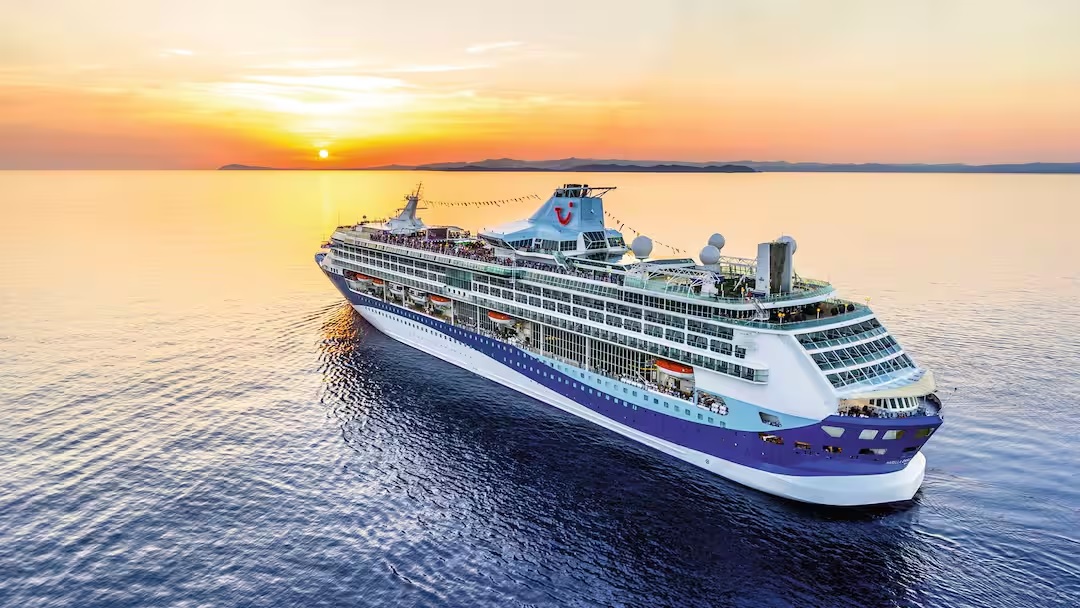
Introduction: A Voyage Beyond Ordinary Shores
There is something undeniably enchanting about the idea of setting sail on a grand cruise ship. Perhaps it is the promise of waking up each morning to a new horizon, or the gentle cadence of ocean waves that lull passengers into a slower, dreamlike pace. For over a century, cruise ships have carried millions across seas and continents, transforming the simple act of travel into an experience that marries leisure, luxury, and adventure in equal measure.
A Brief History: From Ocean Liners to Leisure Palaces
The story of the cruise ship is, in many ways, the story of human ingenuity and our enduring fascination with the sea. In the late 19th and early 20th centuries, ocean liners like the RMS Titanic and RMS Queen Mary were built primarily for transatlantic passage, ferrying immigrants, aristocrats, and business magnates between Europe and North America. These vessels were feats of engineering—symbols of national pride and technological advancement.
After the advent of commercial air travel, the need for ocean liners as practical transport faded. Rather than vanish into history, however, these majestic ships evolved into floating resorts. The new age of cruising was born—one where the journey itself became the destination. Today’s cruise ships are more than mere vessels; they are microcosms of entire cities drifting gracefully across the world’s oceans.
Modern Cruise Ships: Floating Worlds of Wonder
Step aboard a modern cruise liner and you’ll find yourself in a world designed to dazzle the senses. These leviathans are feats of architectural and logistical brilliance—some longer than the Eiffel Tower is tall, with the capacity to host thousands of guests and crew.
A typical cruise ship might include:
-
Entertainment Venues: Theatres offering Broadway-style shows, cinemas, and live music lounges.
-
Dining Diversity: Dozens of restaurants, from casual buffets to gourmet specialty dining helmed by celebrity chefs.
-
Recreational Facilities: Swimming pools, surf simulators, water parks, rock-climbing walls, mini-golf, and ice-skating rinks.
-
Relaxation Spaces: Luxurious spas, tranquil sun decks, and private cabanas with ocean views.
-
Shopping and Nightlife: Duty-free boutiques, art auctions, nightclubs, and casinos buzzing with life well past midnight.
For many, the appeal of cruising lies in this blend of variety and convenience—unpack once, and the world comes to you.
Why People Choose to Cruise
There are countless reasons why cruising continues to draw millions of passengers every year, regardless of age or background.
-
All-Inclusive Ease: Accommodations, meals, and entertainment are bundled into a single ticket, removing much of the logistical headache that accompanies traditional travel.
-
Multiple Destinations: Cruises often call at several ports, allowing guests to sample diverse cultures and landscapes within a single trip.
-
Tailored Experiences: From family-friendly cruises with cartoon characters and water slides to luxury voyages with fine dining and curated excursions, there is a cruise for every taste and budget.
-
Community at Sea: Shared experiences foster camaraderie among passengers—strangers become friends over sunset cocktails or morning yoga on deck.
Life Onboard: The Rhythm of Days at Sea
Aboard a cruise ship, time seems to adopt a gentler tempo. Mornings might begin with breakfast on a private balcony as the ocean shimmers in dawn’s first light. Days can be as leisurely or lively as one desires—lounging by the pool, attending lectures, joining cooking classes, or exploring the day’s port of call. Evenings bring formal dinners, stage performances, or simply a quiet stroll under starlit skies.
It is this balance between freedom and structure that makes cruising so uniquely appealing—passengers can surrender to indulgence or seek solitude, all within the same floating sanctuary.
The Ports: Gateways to the World
Cruise ships unlock destinations that might otherwise remain unexplored by conventional tourists. From the icy fjords of Alaska to the coral-fringed islands of the Caribbean, they act as floating gateways to a world of natural wonders and cultural treasures.
Popular cruise regions include:
-
The Caribbean: Sun-drenched beaches, vibrant local markets, and endless opportunities for snorkeling and island hopping.
-
The Mediterranean: History-laden ports like Rome, Athens, and Barcelona, each offering centuries-old architecture and cuisine.
-
Northern Europe: Norwegian fjords, Baltic capitals, and the rugged beauty of Iceland.
-
Expedition Cruises: Smaller ships venture into remote corners—Antarctica’s icy expanse, the Galápagos Islands’ rich biodiversity, or the untouched wilderness of Patagonia.
Sustainability at Sea: A Changing Tide
Modern cruising, while magical, is not without its critics. Concerns about environmental impact—such as fuel consumption, waste management, and over-tourism in delicate ecosystems—have challenged the industry to evolve.
Many cruise lines now invest heavily in sustainability initiatives:
-
Upgrading fleets with energy-efficient engines and advanced waste treatment systems.
-
Using cleaner fuels like liquefied natural gas (LNG).
-
Partnering with local communities to minimize ecological disruption and maximize economic benefit.
-
Encouraging passengers to participate in eco-friendly practices onboard and ashore.
This shift toward greener cruising reflects a growing awareness that the seas and coasts we so eagerly explore must be preserved for generations to come.
The Future of Cruising: Innovation on the Horizon
As technology advances and passenger expectations evolve, cruise ships continue to push the boundaries of what is possible at sea. Concepts like smart cabins with app-controlled lighting, virtual balconies for inside staterooms, and immersive onboard experiences promise to redefine cruising yet again.
Post-pandemic, health and safety have also become paramount—new protocols, improved medical facilities, and touchless technologies aim to ensure that passengers can sail with confidence.
Conclusion: A Journey Like No Other
To sail on a cruise ship is to embrace a rare duality—rooted firmly in tradition yet always at the forefront of innovation. It is a chance to wander without worrying, to discover without unpacking, to watch the world glide by from the comfort of a deck chair and a cool drink in hand.
For some, a cruise is the ultimate escape from the everyday; for others, it is a way to gather loved ones and share once-in-a-lifetime moments. Whatever the motivation, the enduring appeal of the cruise ship lies in its promise of adventure blended with ease, the thrill of the open ocean paired with the warmth of familiar comforts.
In a world that moves too fast, the gentle voyage of a cruise reminds us that sometimes the journey itself is the greatest destination of all.