
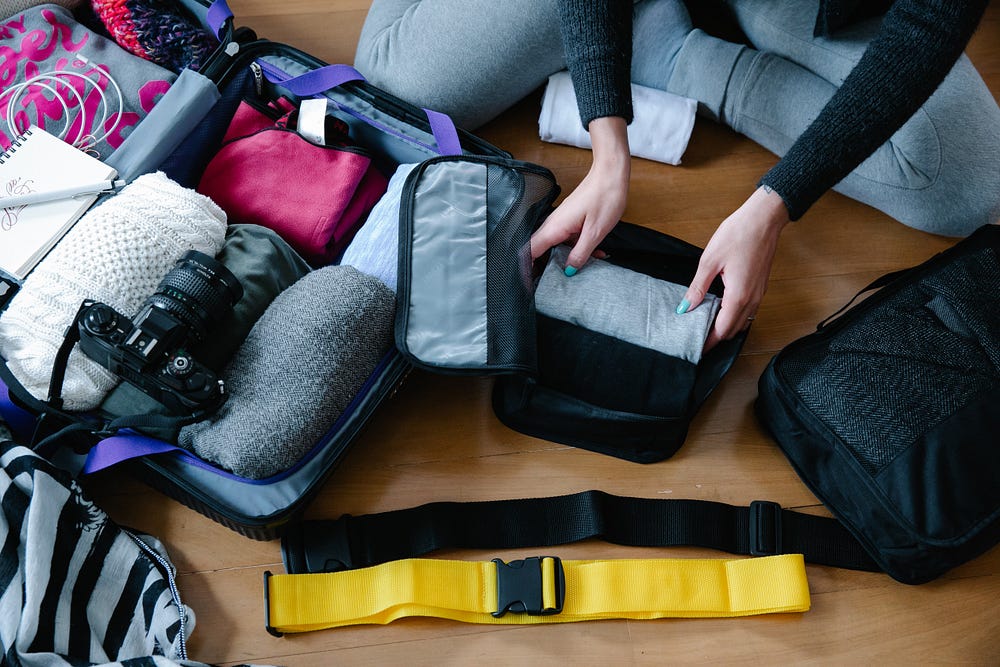
Packing for a standard vacation often involves throwing clothes into a suitcase and leaving room for souvenirs. Adventure travel demands a completely different mindset. Whether trekking through dense alpine forests, kayaking across coastal waters, or navigating arid desert trails, your pack carries your shelter, sustenance, and safety net. Every item you choose to include or leave behind directly impacts your energy levels, physical comfort, and safety in unpredictable conditions.
Packing smart is not about sacrificing comfort or safety. It is an intentional practice that balances efficiency, utility, and weight distribution. By mastering the fundamentals of gear selection, organized layering, and load management, you can prepare yourself for any environment without dragging unnecessary weight across the trail.
Understanding the Demands of Adventure Travel
Before laying out a single piece of gear, you must assess the environment and itinerary of your upcoming trip. Adventure trips introduce environmental variables that ordinary travel does not present. Unpredictable weather shifts, remote terrain without access to stores, and physical strain make gear evaluation critical.
Begin by researching historical climate trends and real-time weather forecasts for your destination. Pay attention to temperature fluctuations between day and night, expected rainfall, wind conditions, and UV intensity. A mountain region may feel pleasant during midday sun but drop near freezing once the sun sets. Similarly, desert climates present intense solar exposure by day and chilling temperatures at night.
Next, consider the mechanics of your movement. Will you be carrying your load on your back for hours at a time, or will your luggage remain at a base camp while you take a smaller daypack? The physical demands of your primary activity dictate the maximum acceptable weight of your kit. A minimalist approach becomes essential the moment you are responsible for carrying your entire setup across long distances.
Selecting the Right Gear Base: Luggage and Carry Systems
Your choice of luggage forms the foundation of your packing strategy. The wrong bag can cause physical strain, hamper mobility, or fail under harsh environmental conditions. Match your carry system directly to the environment and transport methods of your journey.
Technical Backpacks
For self-supported treks, wilderness hikes, and multi-day trail runs, an internal frame technical backpack is necessary. These packs distribute weight away from your shoulders and onto your hips, preserving energy and preventing back strain. Look for internal capacity measured in liters:
-
20 to 30 Liters: Ideal for single-day excursions or supported hut-to-hut treks.
-
40 to 50 Liters: Perfect for weekend trips or light multi-day wilderness outings.
-
60 Liters and Above: Necessary for extended self-supported expeditions requiring tents, cold-weather sleeping gear, and multiple days of food.
Ensure the pack features an adjustable harness system, a padded hip belt, and durable ripstop fabric. Integrated rain covers or water-resistant coatings are essential for keeping gear dry during unexpected downpours.
Rugged Duffel Bags
If your itinerary involves transport by off-road vehicles, pack animals, small aircraft, or river rafts, heavy-duty duffel bags offer superior utility over framed backpacks. Constructed from thick PVC or TPU-laminated fabrics, water-resistant duffel bags withstand rough handling, dust, and direct water exposure. Many modern expedition duffels include removable shoulder straps, allowing them to be carried as backpacks over short distances.
Daypacks and Foldable Storage
Even when traveling with a large main pack or expedition duffel, always pack an ultra-lightweight, compressible daypack. These pack down to the size of an apple and serve as your daily load carrier once you set up base camp or drop main luggage at a lodge.
Mastering the Layering System for Apparel
The primary rule of wilderness apparel is functionality over aesthetics. Cotton should be excluded from your adventure kit entirely. Cotton absorbs moisture, retains water, dries slowly, and strips body heat in cold or windy conditions, increasing the risk of hypothermia. Instead, build your wardrobe around a versatile three-layer technical clothing system made from synthetic fibers or merino wool.
Base Layer: Moisture Management
The base layer sits directly against your skin. Its primary function is to pull sweat away from your body to keep you dry and regulate core temperature.
-
Materials: Merino wool or synthetic fabrics such as polyester and polypropylene.
-
Properties: Merino wool offers naturally odor-resistant properties and warmth even when damp. Synthetics dry extremely fast and offer high durability.
-
Items to Pack: Lightweight long-sleeve shirts, short-sleeve performance tees, and thermal bottoms for cold nights.
Insulation Layer: Heat Retention
The insulation layer traps warm air generated by your body to shield you from external cold.
-
Materials: Fleece, synthetic fill (polyester insulation), or natural down.
-
Properties: Fleece breathes well during active movement but offers limited wind protection. Down provides an exceptional warmth-to-weight ratio and compresses tightly, though it loses insulation value if wet. Synthetic fill retains warmth even when damp, making it ideal for wet climates.
-
Items to Pack: A mid-weight fleece jacket or a packable down/synthetic insulated jacket.
Outer Shell: Weather Protection
The outer layer acts as your barrier against rain, snow, and wind. Without an effective outer shell, your insulation layers will lose their effectiveness in harsh weather.
-
Materials: Waterproof and breathable membranes like Gore-Tex or proprietary waterproof fabrics.
-
Properties: Look for fully taped seams, adjustable hoods, and pit zips for ventilation during high-exertion climbs.
-
Items to Pack: A dedicated rain jacket and matching windproof/waterproof rain pants.
Footwear and Sock Strategy
Footwear is the most crucial decision for any adventure traveler. Blisters or inadequate ankle support can end a trip prematurely. Break in all boots or trail running shoes thoroughly weeks before departure. Match your shoes to the terrain: trail runners work best for light loads and established paths, while sturdy hiking boots with ankle support suit rugged, off-trail conditions with heavy packs.
Pair your shoes with technical merino wool or synthetic hiking socks. Pack one pair for every two to three days on the trail, along with a dedicated dry pair reserved exclusively for sleeping.
Organizing and Streamlining Your Load
How you load your pack matters as much as what you put inside it. Proper organization prevents frustration on the trail and maintains your physical balance over challenging terrain.
Utilizing Packing Modules
Compression sacks and lightweight packing cubes keep your gear compartmentalized and compact. Use waterproof dry bags for critical electronics, sleeping gear, and dry clothing layers. Group similar items together so you never have to empty your entire bag to find a single item.
Balance and Weight Distribution
Maintain a low, centralized center of gravity to stay stable on uneven trails:
-
Bottom Section: Place lightweight, bulky items that you will not need until reaching camp, such as your sleeping bag, sleeping pad, and nighttime clothes.
-
Middle Section (Closest to Spine): Pack your heaviest items here, such as food supplies, water reservoirs, camp stove, and heavy gear. Keeping heavy items close to your back prevents the pack from pulling you backward.
-
Outer and Upper Sections: Place medium-weight gear like extra clothing layers, tent rainflies, and camp tools toward the outer perimeter and top of the main compartment.
-
Top Pocket and External Access: Keep essential, high-frequency items in easily accessible locations. This includes your first aid kit, headlamp, trail snacks, compass, map, and rain shell.
Toiletries, First Aid, and Repair Kits
Self-reliance in the backcountry means preparing for minor injuries and equipment wear-and-tear. Keep these specialized kits compact and targeted.
Eco-Conscious Toiletries
Keep your personal care routine minimal and environmentally responsible:
-
Biodegradable multi-use soap for body, dishes, and clothes.
-
Quick-dry microfiber towel.
-
Travel-sized toothbrush and concentrated toothpaste tablet options.
-
Reef-safe, high-SPF sunscreen and insect repellent.
-
Small trowel and hand sanitizer for proper wilderness sanitation where facilities are absent.
Comprehensive First Aid Essentials
Customize a compact medical kit based on your destination’s risks and group size:
-
Assorted adhesive bandages, blister pads (hydrocolloid bandages), and sterile gauze.
-
Antiseptic wipes and antibiotic ointment.
-
Pain relievers, antihistamines, anti-diarrheal medication, and electrolyte rehydration packets.
-
Tweezers, safety pins, and medical tape.
-
Personal prescription medications packed in waterproof containers.
Gear Maintenance and Field Repair
Gear failures happen, but a small repair kit can fix most field damage:
-
A roll of heavy-duty duct tape or Tenacious Tape wrapped around a trekking pole or water bottle.
-
A multi-tool featuring pliers, blades, and screwdrivers.
-
Gear patches for inflatable sleeping pads and waterproof shells.
-
Paracord or lightweight utility cord for rigging guy lines or hanging wet gear.
Electronics and Power Management in the Field
Cold weather and remote locations drain electronic battery life rapidly. A functional power strategy ensures navigation tools and communication devices remain operational throughout your trip.
Keep all electronic gear sealed in a waterproof dry bag. Carry a durable portable power bank with a minimum capacity of 10,000 to 20,000 mAh, depending on the duration of your trip. In cold environments, store lithium-ion batteries and your phone close to your body or inside your sleeping bag at night, as sub-freezing temperatures temporarily degrade battery output.
Pre-load all mapping software, topographical routes, and field guides onto your mobile device for offline access before leaving cellular coverage. Always carry a physical topographic map and a magnetic compass as a zero-power backup system.
Frequently Asked Questions
How do you manage laundry on an extended backwoods trip where facilities are unavailable?
Laundry in remote areas relies on hand-washing using biodegradable soap far away from natural water sources. Fill a dry bag or collapsible bucket with water, add a few drops of multi-use soap, and agitate your clothing inside the bag. Rinse the garments with fresh water at least two hundred feet away from lakes or streams to protect aquatic ecosystems. Wring out excess moisture and hang the items using paracord or attach them to the outside of your backpack with carabiners to dry while hiking during the day.
What are the rules for carrying lithium-ion batteries and power banks on flights for adventure gear?
Airline safety regulations require all loose lithium-ion batteries and portable power banks to be packed in your carry-on luggage rather than checked bags. The capacity of power banks is generally capped at 100 watt-hours per battery without special airline approval. Ensure the battery terminals are protected against short circuits by keeping them in their original packaging, placing tape over the contacts, or storing them in dedicated protective pouches.
How should you pack high-end camera gear safely during rugged outdoor activities?
Protect delicate camera gear from impact and moisture by using padded camera inserts or dedicated chest rigs instead of standard camera bags. A chest harness keeps the camera secure against your body, prevents bounce during movement, and allows rapid access without removing your primary backpack. Wrap extra lenses in neoprene sleeves and store them near the center of your pack. Always carry a dedicated dry bag to slip over your camera setup during sudden downpours or water crossings.
What is the best way to pack food and prevent wildlife from scenting meal supplies?
To prevent animals from locating your food, isolate all scented items, including meals, snacks, trash, toiletries, and lip balm. Use certified bear-resistant canisters or scent-proof bags depending on the local wildlife regulations of your destination. Pack food items in dense, space-efficient vacuum-sealed bags or reusable silicone pouches to minimize volume. Store your food containment system at least one hundred yards downwind from your tent site when setting up camp in the backcountry.
How do you handle packing wet or muddy gear when transitioning between adventure locations?
Separate wet or soiled items from dry gear using an external stretch pocket on your backpack or a breathable mesh storage sack. Never pack wet items directly alongside dry insulation layers or sleeping gear. If using a main travel bag, line an interior compartment with a heavy-duty trash bag or dedicated wet-gear duffel. Whenever you take a break or arrive at camp, spread out damp gear in the sun or wind to air dry as quickly as possible.
Is it better to rent specialized gear at the destination or pack your own equipment?
Renting heavy or bulky items like tents, sleeping pads, ice axes, or paddling gear near your destination saves luggage space and eliminates high airline oversize bag fees. However, personal contact gear like hiking boots, technical backpacks, and base layers should always be your own, thoroughly tested, and well broken-in beforehand to ensure proper fit and avoid painful chafing or blisters on the trail.
How do you secure valuables like passports and cash while trekking in remote areas?
Keep vital documents, identification, and emergency currency inside a slim, waterproof pouch worn underneath your clothing or stowed deep within an internal zipped pocket of your main pack system. Avoid keeping original documents in external backpack pockets. Maintain digital scans of your passport, medical insurance policies, and critical travel documents saved offline on your phone as well as encrypted in secure cloud storage accessible from any device.