
For decades, the evolution of outdoor recreation was defined by a single driving objective: convenience. Gear manufacturers, park planners, and campers alike prioritized efficiency, speed, and minimal friction. Tents were engineered to pop up in seconds, freeze-dried meals were developed to require nothing more than boiling water, and high-tech synthetic gear promised to strip the hardship out of spending a night under the stars. The modern campsite gradually became a home away from home, outfitted with portable generators, satellite internet, and folding furniture designed to mimic suburban living rooms.
In recent years, a distinct cultural pivot has taken hold across the outdoor community. The pursuit of maximum convenience is giving way to a deliberate search for richer, more immersive experiences. Campers are increasingly evaluating their time outdoors not by how easy or comfortable they can make it, but by how deeply it connects them to nature, skill-building, and mindfulness. Convenience has reached a point of diminishing returns, where over-engineered ease dilutes the very reasons people seek refuge in the wild.
The Era of High-Tech Convenience and Its Limitations
To understand the current cultural transition, it is helpful to examine how camping reached its peak of technological convenience. The late twentieth and early twenty-first centuries brought unprecedented innovations to outdoor equipment. Lightweight aluminum poles replaced heavy fiberglass frames. Micro-stoves allowed campers to cook meals within minutes of setting down their packs. GPS devices and smartphone applications eliminated the necessity of reading topographical maps or navigating by compass.
While these developments democratized the outdoors and made nature accessible to millions who might otherwise have been intimidated by hard wilderness skills, they also introduced unexpected drawbacks:
-
Digital Entanglement: High-speed mobile networks and portable power stations meant that work emails, social media feeds, and constant notifications followed campers directly into the backcountry, destroying the mental boundary between urban stress and wilderness tranquility.
-
Skill Atrophy: Reliance on automated gear and turn-by-turn navigation reduced the need for foundational woodsman skills like knot tying, fire building, terrain reading, and weather prediction, leaving campers feeling more like passive consumers than active participants in the environment.
-
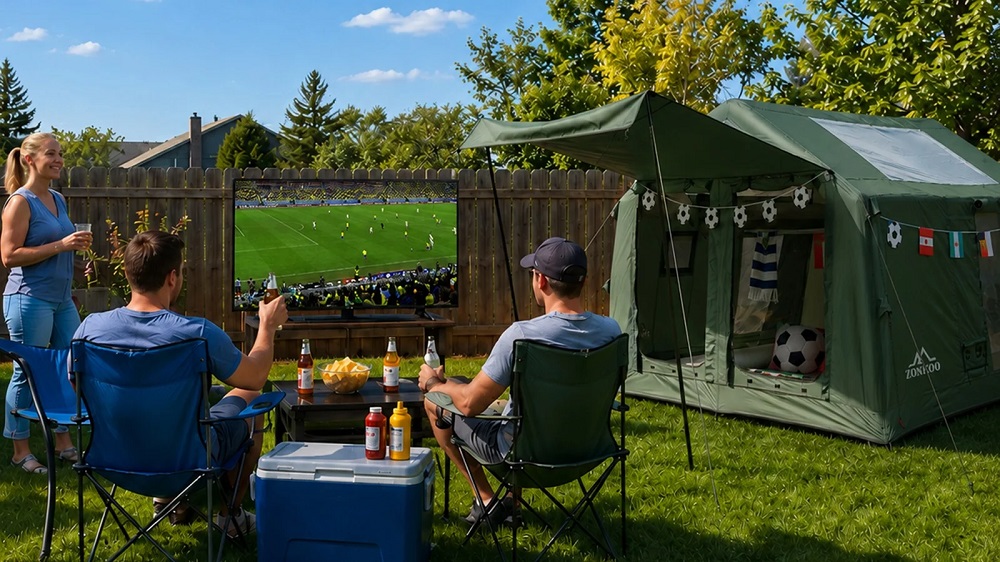
Environmental Disconnect: When the camp experience mirrors indoor living through insulated climate-controlled rooftop tents and portable television screens, the sensory engagement with natural surroundings—such as the sound of wind through pines or the rhythm of ambient wildlife—is effectively muffled.
The realization that hyper-convenient camping often results in a sanitized, unmemorable trip has catalyzed a widespread reevaluation of what it means to spend time outdoors.
Defining the Experience-Driven Camping Mindset
The shift toward experience-driven camping is not simply a rejection of technology, nor is it a dogmatic demand for extreme survivalism. Instead, it represents an intentional recalibration. Modern campers are seeking intentionality, tactile engagement, and authenticity in their outdoor pursuits.
This mindset manifests across several distinct categories of camp culture, ranging from traditional bushcraft to curated eco-hospitality.
The Resurgence of Bushcraft and Primitive Craft
One of the most clear indicators of this cultural movement is the growing popularity of bushcraft and traditional campcraft. Rather than relying entirely on pre-manufactured plastic and synthetic tools, practitioners focus on utilizing natural materials and fundamental physical principles to thrive in the woods.
Crafting camp furniture from fallen timber, starting fires using traditional flint and steel or friction techniques, and carving functional utensils from green wood are no longer viewed as outdated survival tactics. They are embraced as rewarding, meditative practices that cultivate deep self-reliance and focus. The value shifts from completing a task as quickly as possible to enjoying the focus and physical labor required to perform it well.
Culinary Craft at the Campsite
Food culture within camping has undergone a massive transformation. The era when campsite dining meant choosing between bland canned beans or sodium-heavy dehydrated meal pouches is rapidly receding. Modern campers are converting the campfire into an artisan kitchen.
Cast iron Dutch oven baking, open-fire roasting, hand-grinding coffee beans, and foraging for safe local flora have replaced instant options. Preparing a meal over an open flame using raw ingredients takes hours, requires active fire management, and demands patient attention. Yet, this extended process is precisely the appeal. The cooking process becomes a central activity of the day, turning a basic necessity into a communal, sensory event.
Overlanding and Purposeful Exploration
While overlanding utilizes advanced vehicles, the philosophy driving its modern growth is firmly rooted in experience over convenience. Rather than pulling a large recreation vehicle into an established campsite with full utility hookups, overlanders use four-wheel-drive platforms to reach remote, unserviced terrain.
The goal is not luxurious leisure, but self-contained exploration. Navigating challenging off-road trails, adapting to changing weather patterns without established infrastructure, and finding solitude far from light pollution provide a sense of agency and discovery that manicured campgrounds cannot offer.
The Psychology of Frictional Engagement
Why are people actively choosing methods that require more effort, time, and physical labor? The answer lies in psychological friction. Modern everyday life in industrialized societies is engineered to be as frictionless as possible. On-demand media, instant communication, and automated climate control eliminate physical challenge and physical patience from daily routines.
While frictionless living reduces immediate effort, it can lead to a sense of detachment, boredom, and mental exhaustion. Engaging with intentional friction during outdoor recreation restores a sense of agency and grounded reality through specific mechanisms:
-
Flow State Realization: Activities that require focus, coordination, and immediate feedback—such as constructing a weather-tight tarp shelter or coaxing a flame from a spark—naturally induce flow state, shutting down mental chatter and anxiety.
-
Earned Comfort: Physical fatigue gained through manual labor, coupled with the warmth of a fire built by hand, yields a level of deep physical satisfaction that push-button convenience cannot match.
-
Sensory Re-engagement: Handling natural wood, smelling smoke, feeling temperature changes, and listening for wildlife awaken sensory pathways that remain dormant in climate-controlled indoor environments.
How Gear and Industry Trends Are Adapting
The outdoor industry is responding to this cultural evolution by redesigning products to emphasize craftsmanship, durability, and user engagement rather than disposable ease.
Canvas wall tents, heavy-duty leather goods, hand-forged axes, and modular cast-iron cookware are seeing strong market demand. Brands are increasingly marketing the story, repairability, and heritage of their equipment. The focus has shifted from disposable, ultra-lightweight plastics to heirloom-quality items that age with character and require maintenance from the owner.
Additionally, educational outdoor workshops, wilderness survival schools, and guided primitive skills retreats are seeing record enrollment. Campers are spending their discretionary time and money on acquiring knowledge and experiences rather than simply purchasing more gear.
Frequently Asked Questions
Does experience-driven camping mean giving up safety technology like emergency beacons?
No, prioritizing experience over convenience does not mean compromising basic personal safety. Essential emergency devices such as satellite messengers, personal locator beacons, and modern first aid kits are vital safety nets that operate quietly in the background. Using safety technology when necessary does not interfere with practicing traditional fire-starting, wilderness cooking, or manual shelter building.
How can a beginner transition from convenience camping to a more experience-focused approach?
Start by making small, incremental changes rather than discarding all modern gear at once. Pick one area of your trip to slow down and practice manually. For example, swap out instant boil-in-bag meals for cooking a dish from fresh ingredients using cast iron over charcoal, or practice tying essential friction hitches and pitching a tarp instead of relying exclusively on a quick-setup pop-up tent.
Is experience-focused camping environmentally sustainable for popular outdoor areas?
It depends heavily on the methods used. Practices like bushcraft, which involve cutting live branches or building temporary natural structures, should strictly be limited to private land or designated wilderness survival zones. In public parks and high-traffic public lands, experience-driven campers must strictly abide by Leave No Trace principles, substituting live-wood crafting with non-destructive activities like backcountry cooking, tracking, or stargazing.
Why is cast iron cookware so popular among modern outdoor enthusiasts despite its heavy weight?
Cast iron retains heat exceptionally well, making it ideal for the uneven temperatures of open campfires and hot coals. Beyond its thermal properties, cast iron requires active care, seasoning, and attention. This hands-on maintenance aligns perfectly with the experience-driven ethos of valuing durable tools that last for generations through proper stewardship.
How does experience-driven camping benefit mental health compared to standard resort travel?
Experience-driven camping requires sustained physical focus, direct problem-solving, and continuous interaction with natural elements. This active immersion disrupts ruminative thought loops, forces a detachment from digital screens, and encourages present-moment awareness, leading to a deeper sense of mental restoration than passive leisure vacations often provide.
Can family campers with young children successfully practice experience-driven camping?
Yes, children often respond better to experience-driven camping because it engages their natural curiosity through hands-on activity. Involving children in age-appropriate camp responsibilities, such as collecting dry tinder, identifying tree species, or learning to cook simple meals over a campfire, builds confidence and provides a far more memorable experience than remaining passive inside an air-conditioned recreational vehicle.
What is the role of traditional canvas tents in modern camping culture?
Traditional canvas tents have seen a major resurgence because they offer superior breathability, durability, and a distinct aesthetic environment compared to synthetic nylon tents. While canvas is heavier and requires more care to dry properly before long-term storage, its natural texture, weather resistance, and cozy interior atmosphere make setting camp a meaningful ritual rather than a chore.